The model in one paragraph
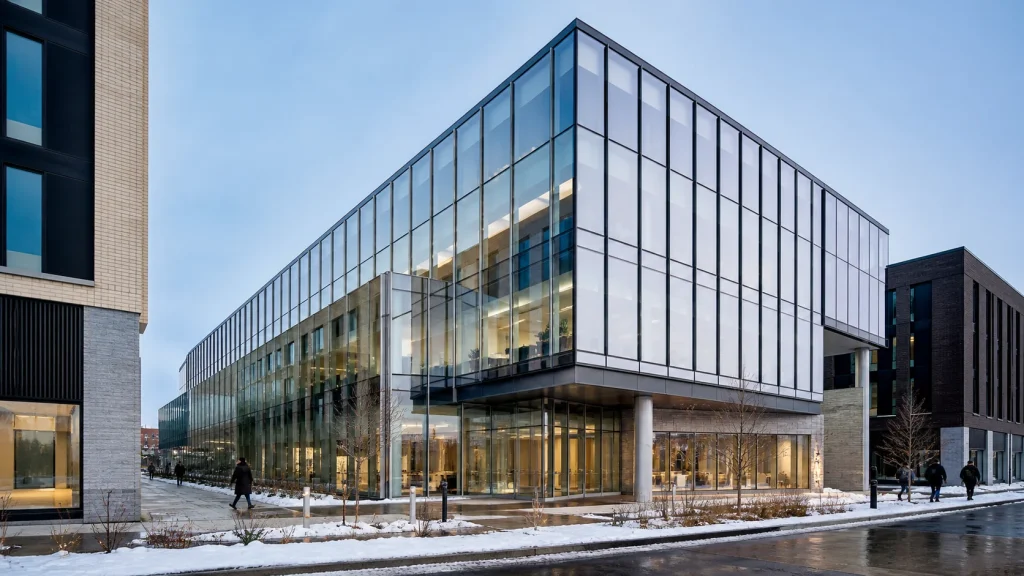
Design & Supply means one coordinated facade company engineers the envelope, fabricates it in its plant, quality-controls it, packs it into containers, and hands it to the site with the drawings, manuals and engineering support needed for installation. The appointed local contractor or glazier erects the envelope, while engineering and production accountability remain connected across the border.
What we deliver
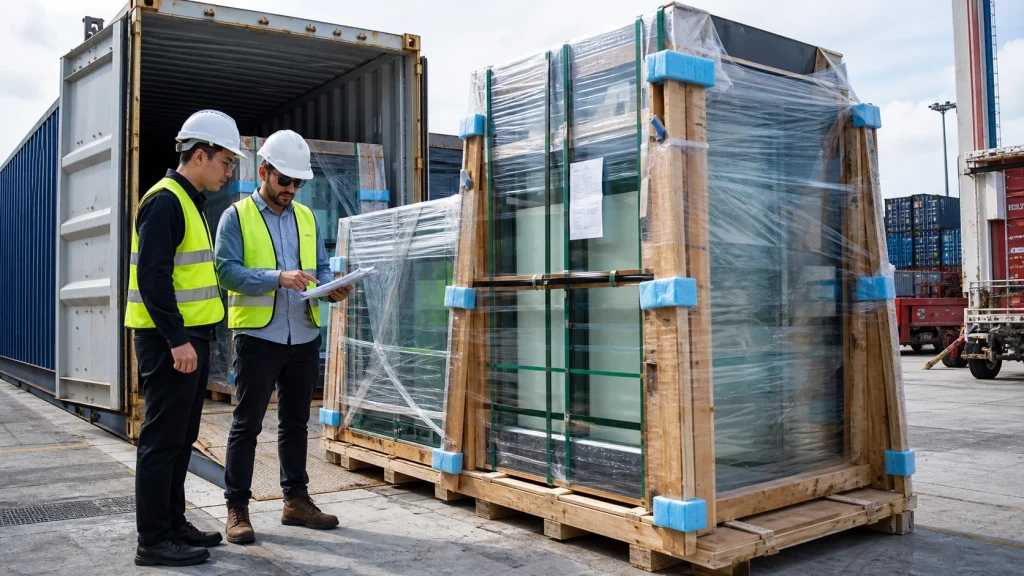
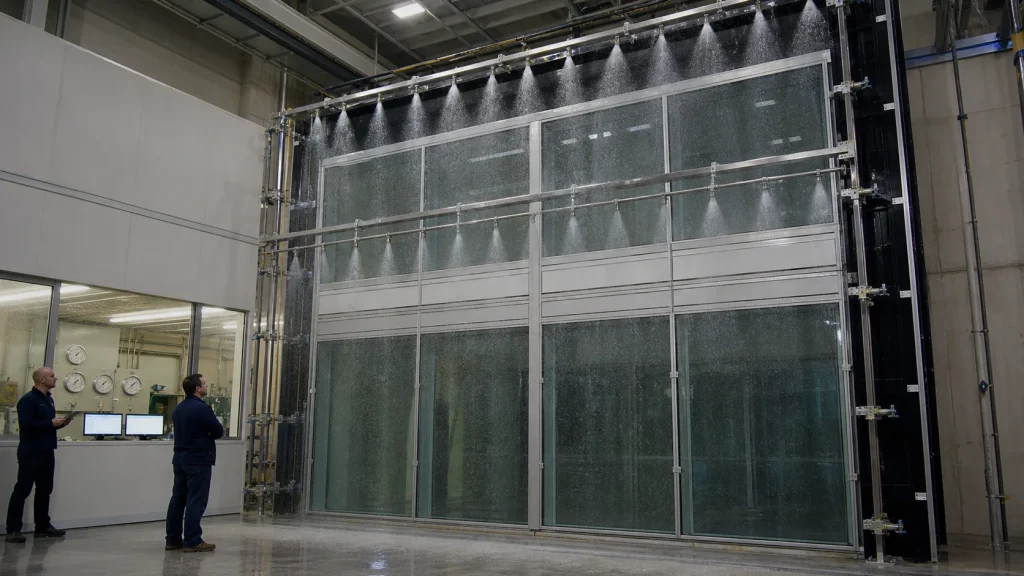
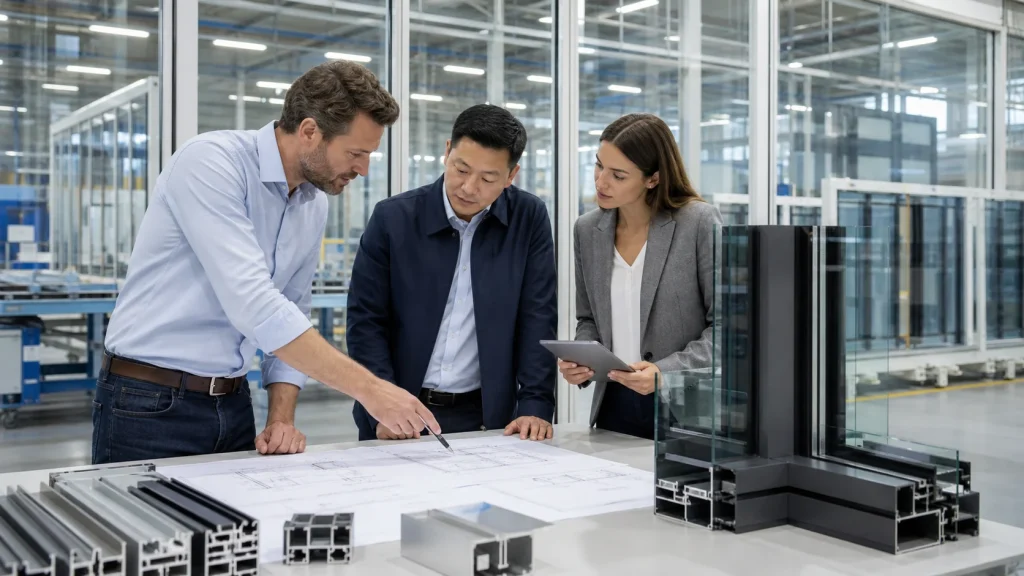
Engineering: calculations, system drawings, shop drawings for your approval. Fabrication in our plant under a documented QA trail — dimensional reports, glazing records, mock-ups where the detail warrants one. Test reports for the specified performance. Packing engineered as an installation sequence, not a shipping afterthought. And support at three levels: manuals and remote engineering as standard, a supervising engineer for the critical first panels when your crew wants it, or full installation for the right project.
What stays on your side
Site survey and setting-out verification, the main structure itself, cranage and access, permits that require local licensure, and the installation crew. We support every one of these — our setting-out drawings are written for a surveyor who has never hung a curtain wall — but the contracts sit locally, which is exactly why the model works.
Where the risks sit — and how they are managed
The honest risks of D&S are interfaces and freight. Interfaces: who owns the embed, the bracket, the sealant line. We resolve this with a written scope matrix before any deposit — if a line is not in our quotation, we say so in writing. Freight: containers can be delayed. We build programme float and pack a documented spares strategy, because a missing gasket should never stop a crew.
Quality risk is the one people worry about most and manage most easily: every panel is numbered, recorded and photographed before it leaves the plant.
Is D&S right for you?
If you have, or can appoint, a competent local contractor — D&S is almost always the strongest value. If your project is remote from any qualified installer, talk to us about our installation options. Either way, the first conversation is the same: send drawings or photos, and we will tell you plainly what the envelope needs.