1. Who engineers it?
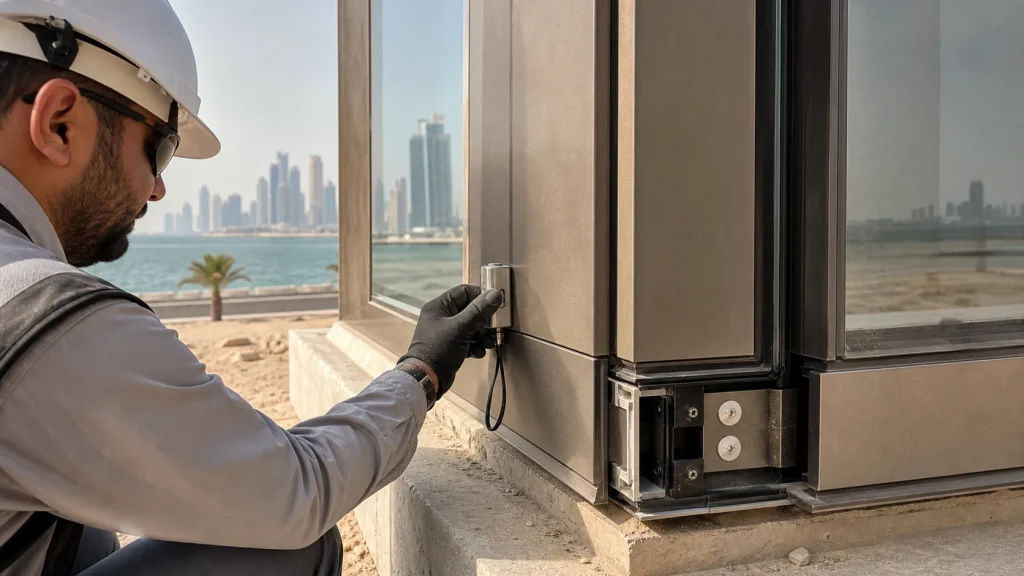
Ask who signs the calculations, and whether the engineering is done in-house or bought in as a template. A facade is a structural product; the supplier should speak about loads, deflection and movements the way a structural engineer speaks about columns — fluently and with your project's numbers, not generic ones.
2. What exactly is in the container?
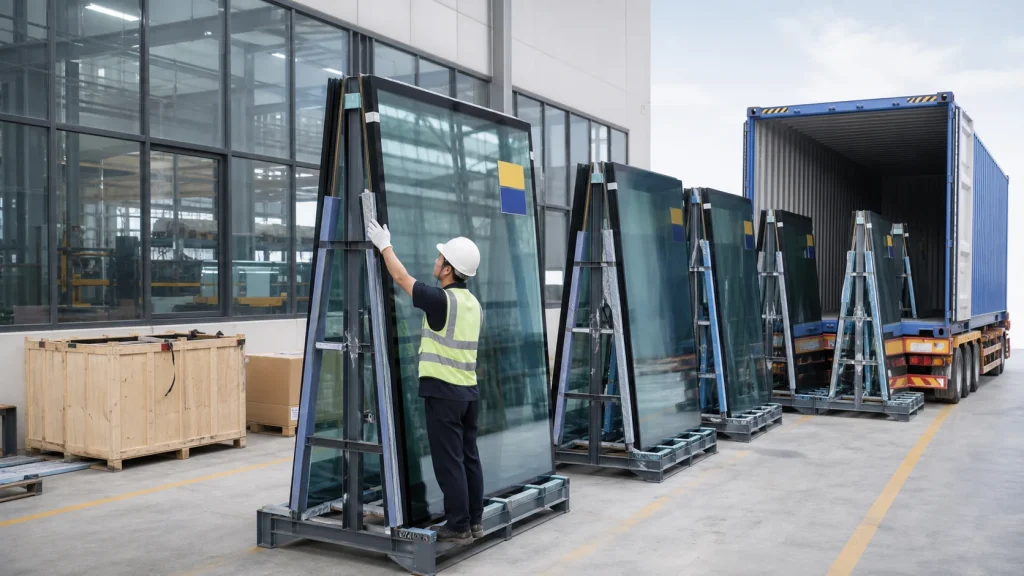
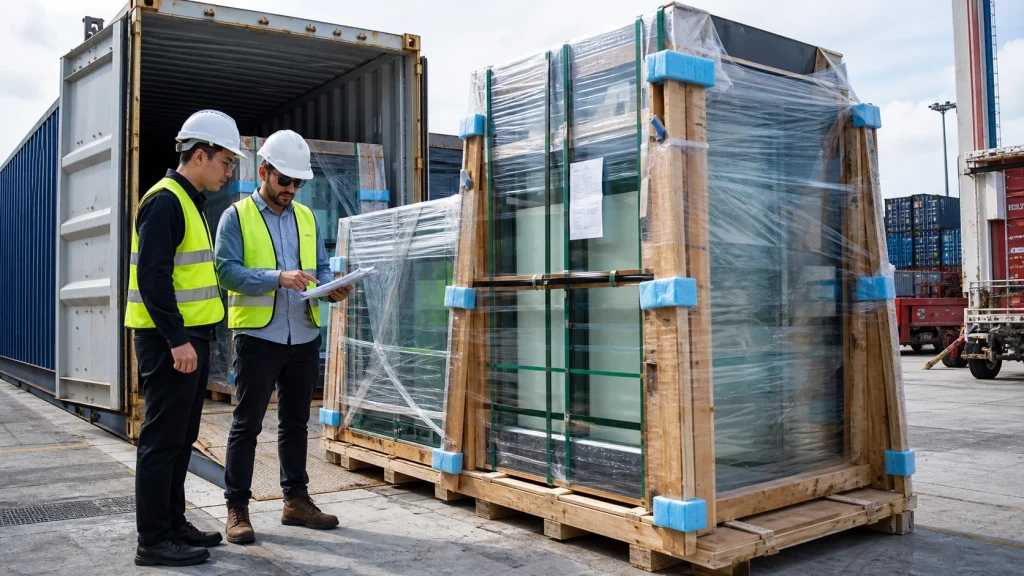
A professional quotation reads like a manifest: system components by line, glazing build-up by elevation, fixings, gaskets, sealant, setting-out hardware, spares. If the answer is 'complete curtain wall', keep asking. The container is where ambiguous quotations become change orders.
3. What do the test reports cover?
Reports exist for specific build-ups under specific standards. Ask whether the tested configuration matches your glazing, your spans and your wind loads. See our certifications guide for the full checklist — the short version: report plus certificate, matched to your configuration, from a laboratory you can name.
4. Who fixes problems at 2 a.m.?
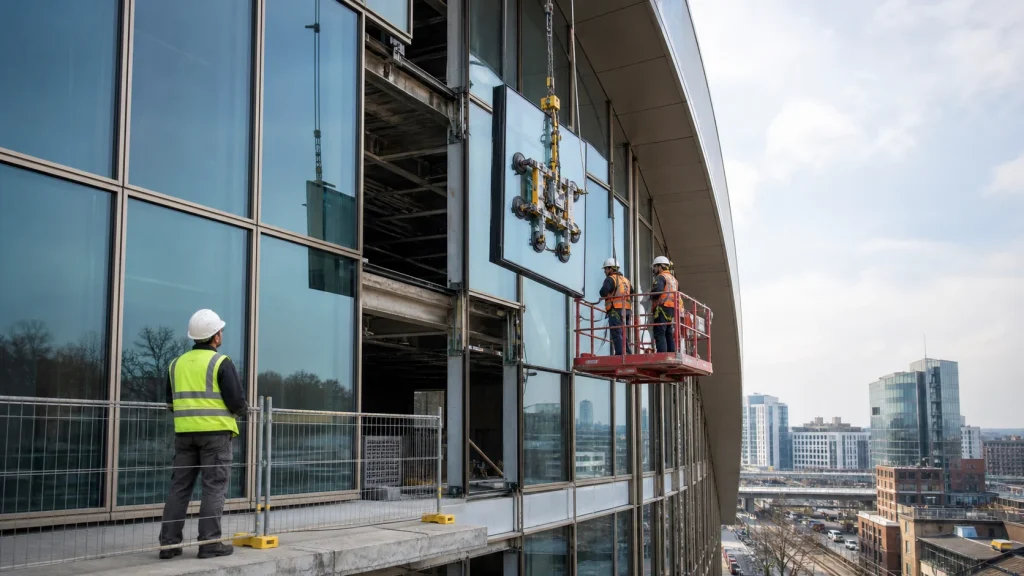
Not rhetorically — ask what happens when a question stops the crew during installation. Ours is a written commitment: field questions answered within one working day, with an engineer who has seen your drawings — not a salesperson reading from a catalogue. Ask for the escalation path in writing before you pay a deposit.
5. What happens at the interface?
Every import project lives or dies at the joints between scopes: who drills the embeds, who verifies the slab edge, who owns the sealant line between the facade and the neighbour's wall. The supplier should raise these questions before you do — a scope matrix agreed in writing is the mark of someone who has done this before. If the conversation never gets more specific than price per square metre, walk.