The climate changes the question
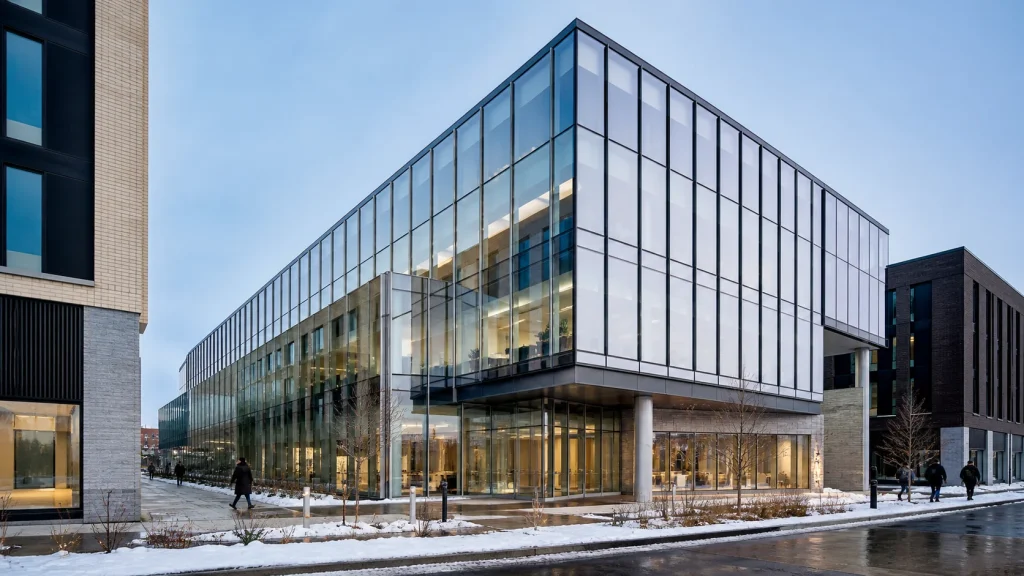
In a hot-desert climate, the envelope spends much of the year resisting heat flow inward. Direct solar exposure, high external surface temperatures and large glazed areas can dominate the cooling story, while coastal humidity introduces a different condensation risk at chilled interior surfaces.
A useful model therefore starts with orientation and room use rather than one project-wide glass description.
Tune glass by elevation
Solar-control coatings affect heat gain, visible light and exterior colour. A west-facing living space may need a different balance from a shaded courtyard or north-facing stair. Treating every elevation as identical simplifies procurement but can compromise comfort and appearance.
The glass schedule should record performance targets and visual intent together so the engineering result does not surprise the architect in daylight.
Do not ignore the frame
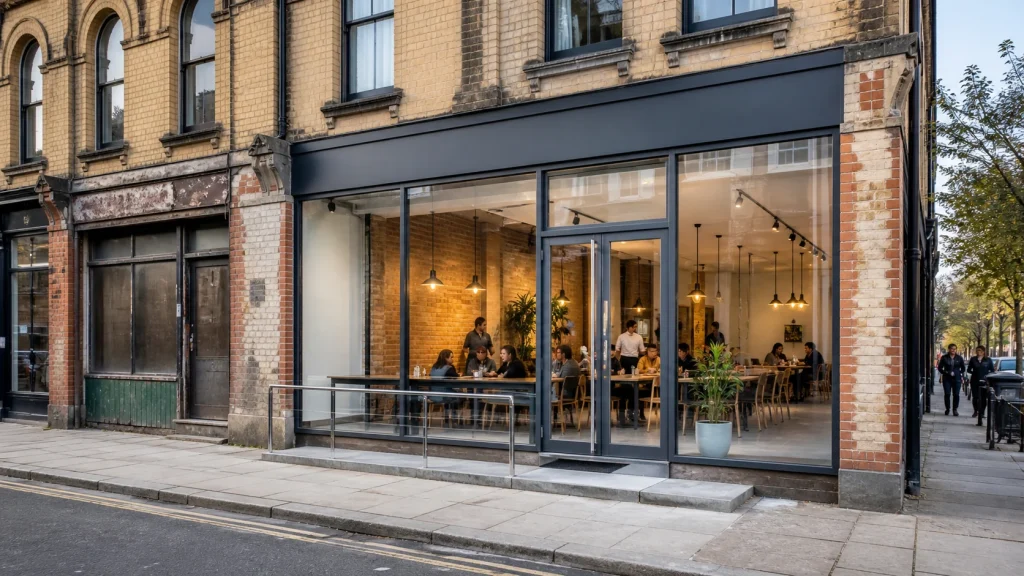
A strong centre-of-glass value cannot compensate for poorly controlled frame conduction, opaque zones or perimeter interfaces. Thermal breaks, frame depth, gasket arrangement and connections to adjacent construction all influence interior surface temperatures.
Ask for whole-system reasoning and junction details, not only a glass data sheet.
External shading changes the equation
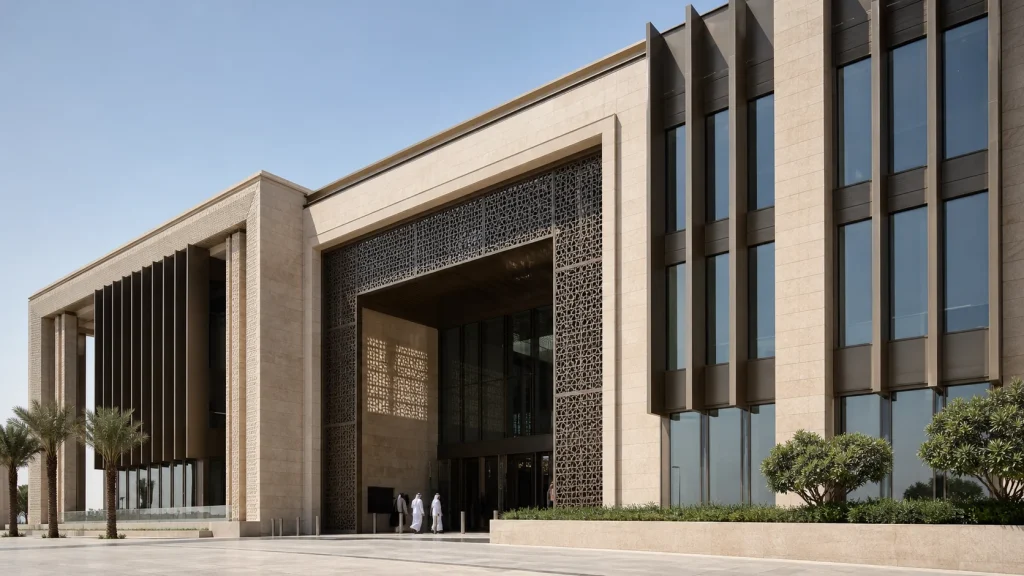
Stopping direct sun before it reaches the glass can reduce glare and lower the thermal burden on the glazing behind it. Fins, canopies, perforated panels and Mashrabiya screens are most effective when their depth and spacing respond to orientation.
This is where climate engineering can become architecture: the shading layer gives the facade rhythm, depth and privacy while doing measurable environmental work.
Check the interior condition
Interior temperature and humidity set the condensation side of the problem. Majlis spaces, pools, bathrooms, kitchens and highly chilled rooms should not inherit the same assumptions.
The final review should connect exterior exposure, interior set points, glass edges, frame temperatures and local air movement at critical junctions.