The three families of evidence
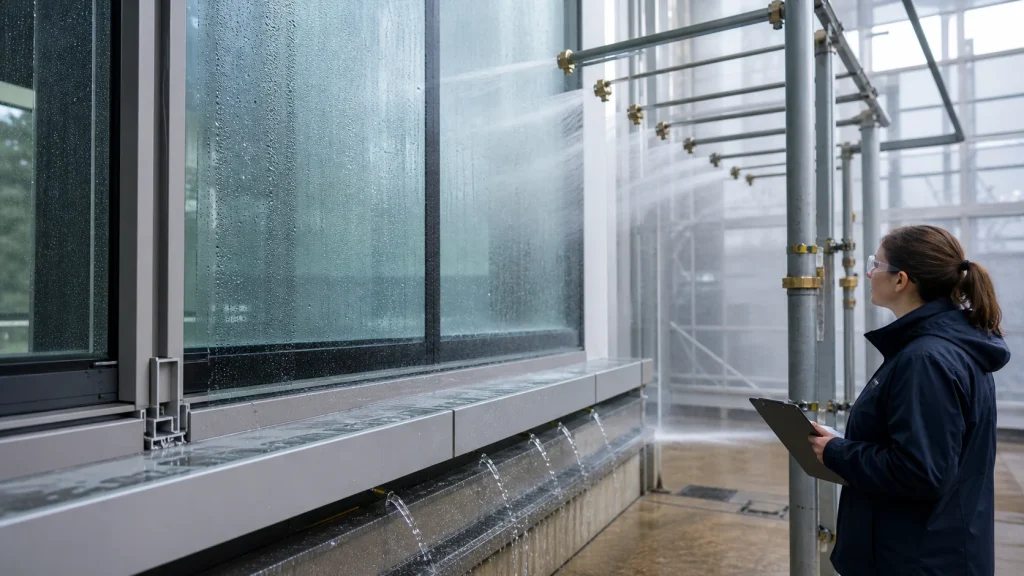
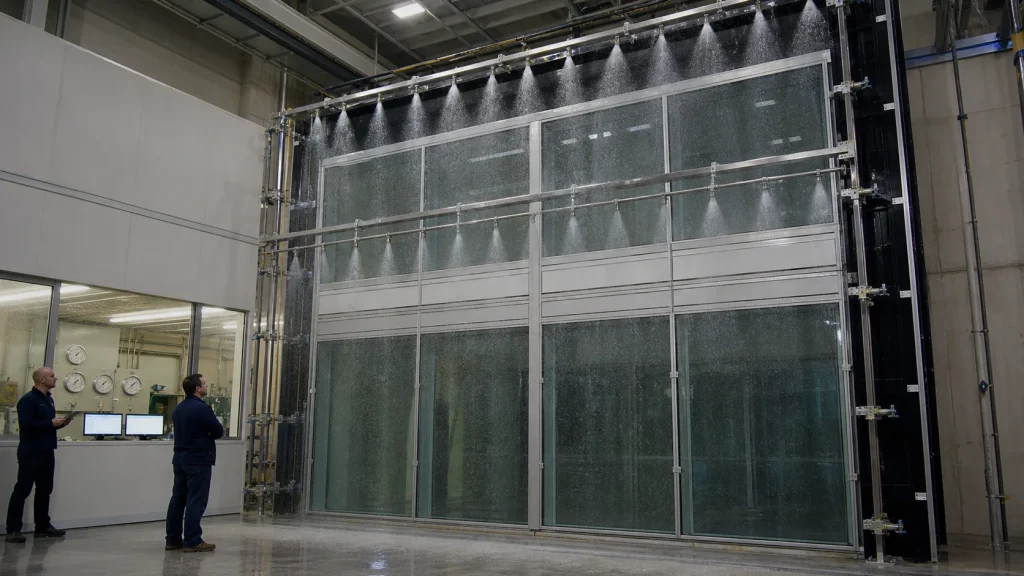
European practice centres on EN standards — EN 13830 for curtain walling, backed by test methods for air, water and wind resistance. North American practice centres on ASTM and AAMA — ASTM E283 for air leakage, E331 for water penetration, and AAMA 501 for dynamic pressure. Australasian practice adds AS 2047 and AS/NZS 4284. A supplier serving export markets should be able to map their systems to all three families, because the physics is universal even when the paperwork is not.
Test reports vs. certificates
A test report documents how one specific build-up performed in one specific laboratory sequence. A certificate — CE marking under the relevant EN regime, for example — asserts ongoing conformity of production. You want both: the report proves the design, the certificate proves the factory. Ask when the test was run, on what build-up, and whether it covers your glazing configuration or merely a similar one.
Reputable suppliers answer these questions in one email. Evasion is your answer.
Local approvals
Some markets require additional steps: local product certification, fire-performance evidence for specific configurations, or project-specific engineering sign-off by a locally licensed engineer. These are routine, but they take calendar time — build them into the programme at the start, not at permit stage.
Our <a href="certification-compliance.html">Certification & Compliance overview</a> maps the evidence layers, regional reference paths and responsibility boundary. The quotation then states which project actions are included and which sit with the client's local team.
Five questions to ask any supplier
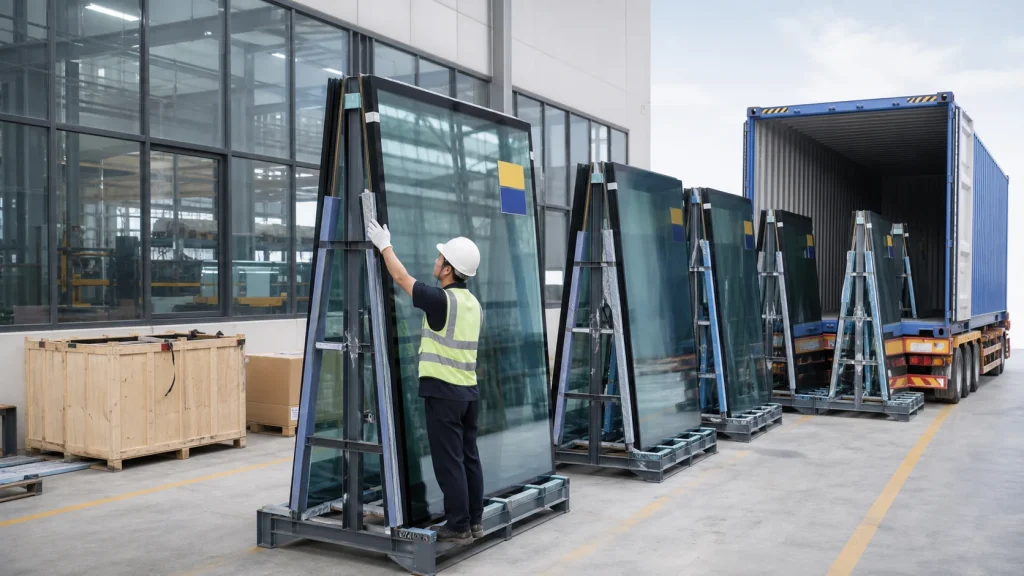
Which test standards does my configuration fall under, and can I see the reports? When was the system last tested, and by which laboratory? Does the certificate cover the glazing build-up I am buying, or a different one? Who holds responsibility for local approvals — you or me? And what is your production conformity regime — how do I know panel 400 matches panel 1?